Author: Sun  周日

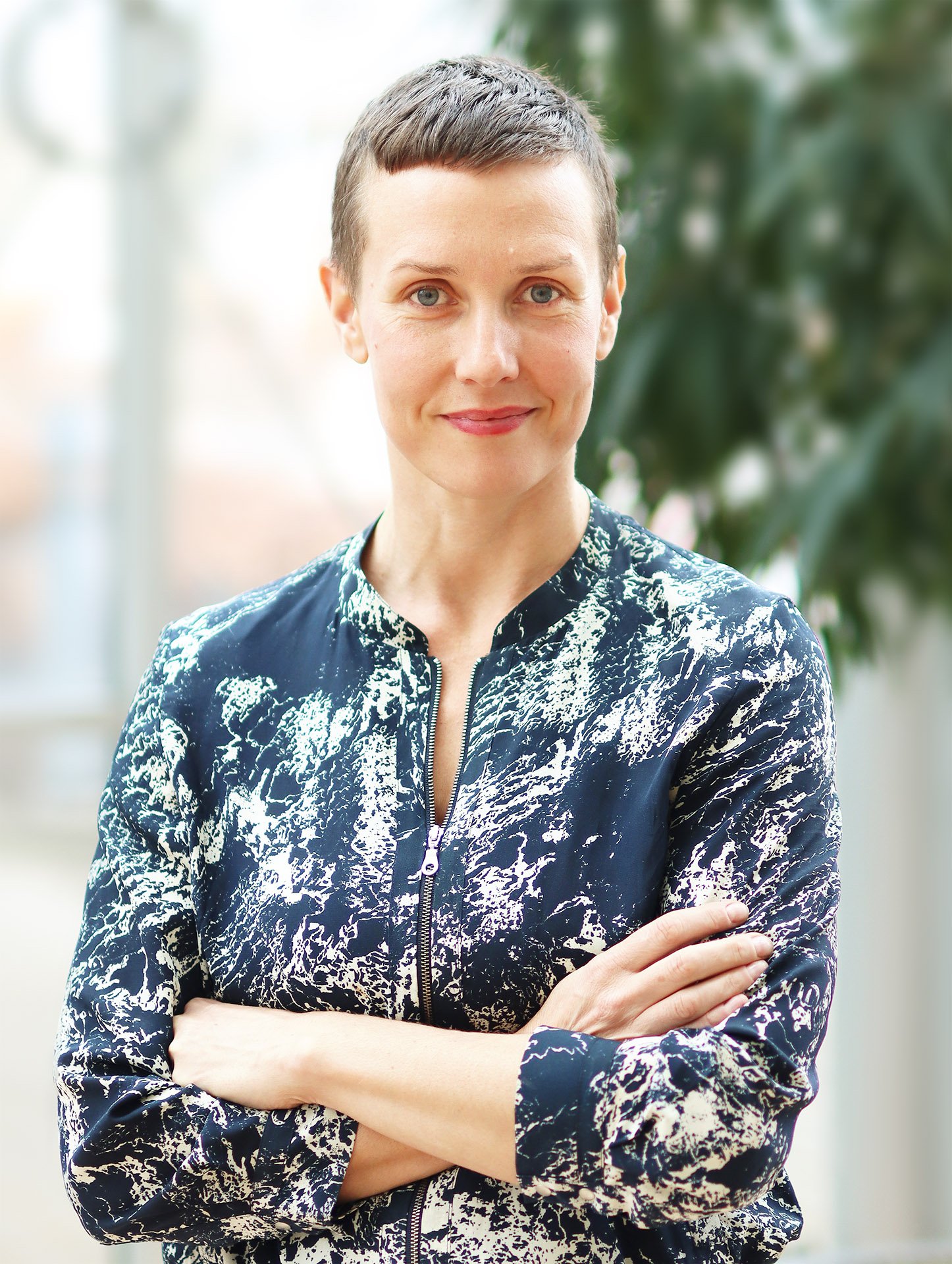
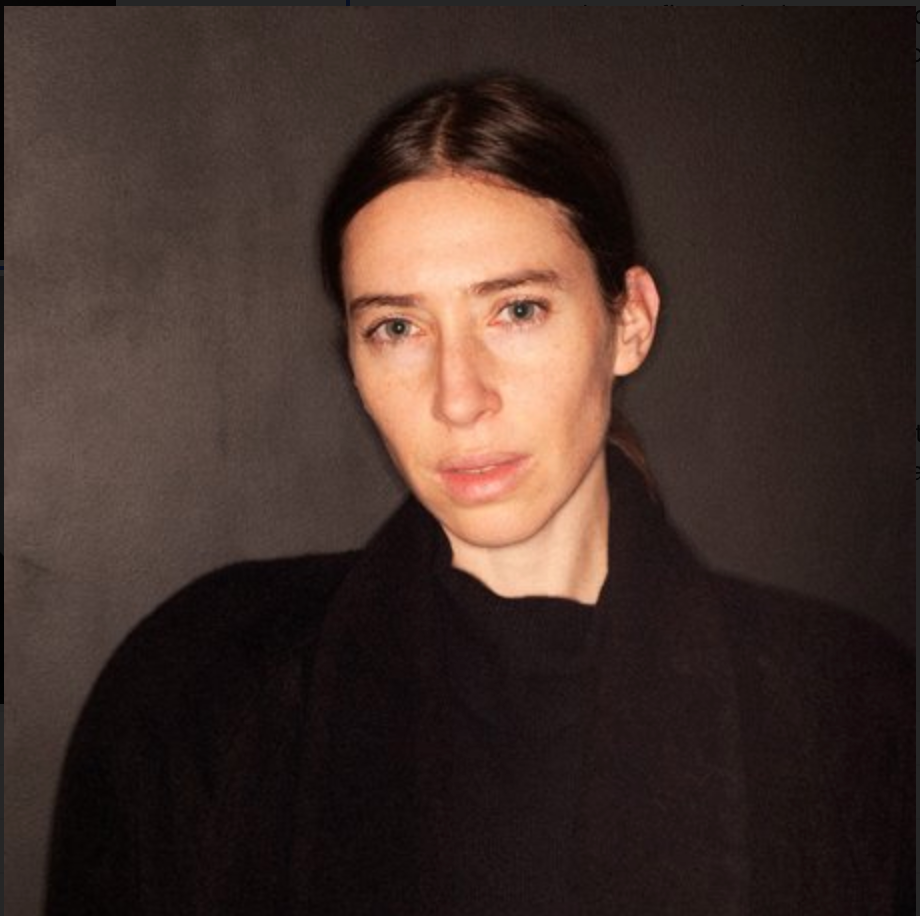
  • Delfina Fantini van Ditmar

    Delfina Fantini van Ditmar

    Royal College of the Arts, London

    Personal Linkhttps://www.rca.ac.uk/more/staff/dr-delfina-fantini-van-ditmar/

    Design futures research at the intersection of speculative practice and systems-level change has brought us both to the Field Stations for the Future network. At the Institute for Creative Futures (Loughborough) and RCA’s Becoming Regenerative project, we explore how design can catalyse regenerative transitions — not merely through products or services, but through situated, place-based practices that build lasting capacity for transformation.

    FSF resonates with our shared conviction that meaningful change requires context: real places, real communities, and sustained engagement over time. The network’s model — prototyping in niche sites, co-producing knowledge across disciplines, and connecting local experiments to global learning — reflects the methodological commitments central to both our practices. We are eager to contribute design research tools and futures methodologies that can help field stations become generative laboratories for the regenerative futures we collectively need.

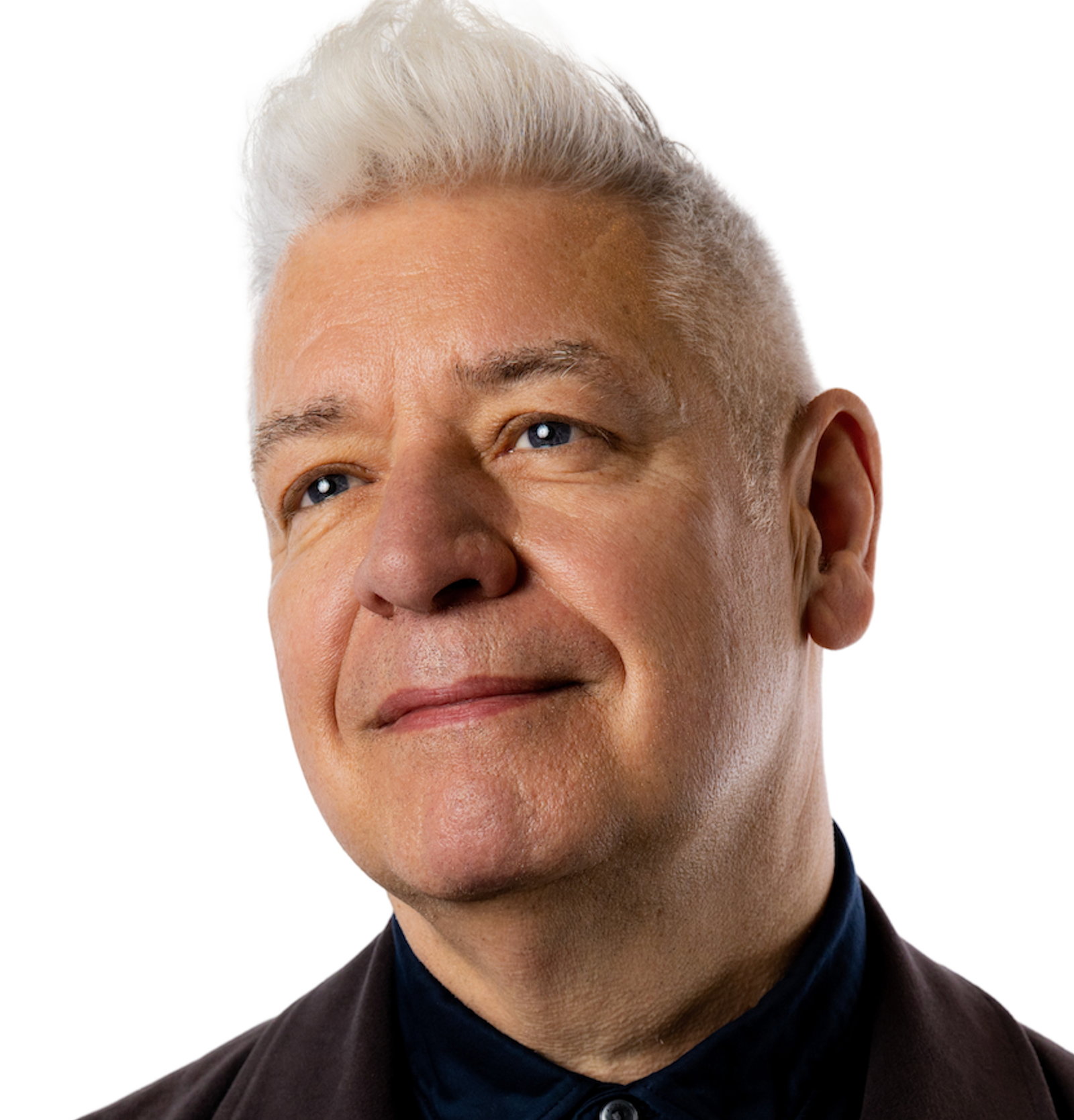
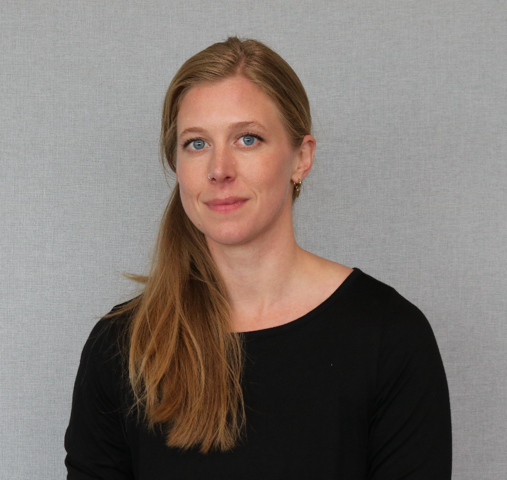
  • Katie Pfeiffer

    Katie Pfeiffer

    Loughborough University, London

    Personal Linkhttps://www.lborolondon.ac.uk/staff/katie-pfeiffer/

    Design futures research at the intersection of speculative practice and systems-level change has brought us both to the Field Stations for the Future network. At the Institute for Creative Futures (Loughborough) and RCA’s Becoming Regenerative project, we explore how design can catalyse regenerative transitions — not merely through products or services, but through situated, place-based practices that build lasting capacity for transformation.

    FSF resonates with our shared conviction that meaningful change requires context: real places, real communities, and sustained engagement over time. The network’s model — prototyping in niche sites, co-producing knowledge across disciplines, and connecting local experiments to global learning — reflects the methodological commitments central to both our practices. We are eager to contribute design research tools and futures methodologies that can help field stations become generative laboratories for the regenerative futures we collectively need.

  • Tullia Jack

    Tullia Jack

    Associate Professor at Service Studies at Lund University

    Personal Linkhttp://www.tulliajack.com/

    I came to the Field Stations for the Future network through my research on doing less. My work in the IDLE project (Investigating Doing Less in Everyday Life) starts from the observation that most people feel too busy — caught in a culture that treats constant activity as a virtue and rest or slowness as failure. This has real consequences for our collective capacity to respond to the crises we face. You cannot reimagine the future when you are running on empty. The FSF concept resonates with what IDLE research keeps surfacing: that transformation requires time, presence, and permission to slow down — and that these are not soft prerequisites but structural ones. I am interested in how field stations can become sites where alternative rhythms of life are not just imagined but actually practised, and I am keen to contribute both the empirical grounding of IDLE’s findings and a broader sociological lens on what it takes to make slowness, sharing, and collective care genuinely possible in everyday life.

  • Peter Madden

    Peter Madden

    Professor of Practice in Future Cities, Cardiff University, Wales, UK

    Cardiff University is embedding future generations thinking across our teaching, research, and civic mission “to position our university as a key site for the creation of more just, sustainable and inclusive futures.” This will help all of us think and work together to develop creative and sustainable responses to the challenges that our communities and partners are facing – whether in Wales or further afield.

    To do this, the University intends to: have more research that is transdisciplinary, creative, impactful and future-focused; equip every undergraduate student for uncertain futures by having transdisciplinary, futures-focused teaching; and explore how our global-civic role can contribute more to the wellbeing of future generations.

    Place and context are central to how we think about and co-create our futures. We’re excited to be part of this initiative and network, to share learning and good practice and to innovate together as we work to co-create regenerative futures.

  • Paddy NG

    Paddy NG

    Senjoir Manager, PolyU

    Personal Linkhttps://www.polyu.edu.hk/disi/about-us/people/paddy-ng_long-bio/

    As leaders of the Community Making Team at PolyU’s Jockey Club Design Institute for Social Innovation (J.C. DISI), we are dedicated to advancing community resilience and anticipatory practices through design thinking and social & participatory planning. The FSF network resonates with our mission to create regenerative, future-oriented spaces that empower communities to navigate uncertainty, particularly in Hong Kong’s Northern Metropolis (NM) mega development, where rapid urban transformation demands innovative models for sustainable development.

    In J.C.DISI’s work such as spearheading the “PolyU Northern Metropolis Future Forum” (NMFF) series, we foster long-term, trust-based partnerships among NGOs, government, academia as well as grassroots leaders. These forums anticipate NM’s challenges, like land use pressures, tourism regeneration and URI (Urban-Rural Integration) planning, by co-creating masterplans that integrate digital transformation, cultural heritage preservation and social impact assessment. For instance, our collaborations explore regenerative tourism in rural NT sites, echoing FSF’s emphasis on niche projects that revive small house systems and local ecologies while centering indigenous knowledge in community-led transformations.

    We see FSF field stations as vital “anticipation labs” for Hong Kong and Greater Bay Area (GBA) contexts: hubs hosting geospatial mapping workshops, scenario-planning for climate-resilient communities and URI fund initiatives that turn rural sites into regenerative settlements. By joining the FSF network we aim to contribute PolyU’s expertise in community-based research and mapping potential FSF sites in NM, articulating anticipatory practices like participatory GIS for regenerative niches, and connecting global insights to local action. This network can catalyze PolyU’s leadership in social innovation, scaling our NMFF model internationally.

    Ultimately, FSF is important because it operationalizes hope through action – transforming reactive development into proactive, distributed networks of care. We are committed to joining regional FSF dialogues and contributing to the shared map of sites, and perhaps to be hosted in Hong Kong in short future.
  • Sam Lam

    Sam Lam

    Interim Director, J.C. DISI, PolyU

    Personal Linkhttps://www.polyu.edu.hk/disi/about-us/people/interim-director/

    As leaders of the Community Making Team at PolyU’s Jockey Club Design Institute for Social Innovation (J.C. DISI), we are dedicated to advancing community resilience and anticipatory practices through design thinking and social & participatory planning. The FSF network resonates with our mission to create regenerative, future-oriented spaces that empower communities to navigate uncertainty, particularly in Hong Kong’s Northern Metropolis (NM) mega development, where rapid urban transformation demands innovative models for sustainable development.

    In J.C.DISI’s work such as spearheading the “PolyU Northern Metropolis Future Forum” (NMFF) series, we foster long-term, trust-based partnerships among NGOs, government, academia as well as grassroots leaders. These forums anticipate NM’s challenges, like land use pressures, tourism regeneration and URI (Urban-Rural Integration) planning, by co-creating masterplans that integrate digital transformation, cultural heritage preservation and social impact assessment. For instance, our collaborations explore regenerative tourism in rural NT sites, echoing FSF’s emphasis on niche projects that revive small house systems and local ecologies while centering indigenous knowledge in community-led transformations.

    We see FSF field stations as vital “anticipation labs” for Hong Kong and Greater Bay Area (GBA) contexts: hubs hosting geospatial mapping workshops, scenario-planning for climate-resilient communities and URI fund initiatives that turn rural sites into regenerative settlements. By joining the FSF network we aim to contribute PolyU’s expertise in community-based research and mapping potential FSF sites in NM, articulating anticipatory practices like participatory GIS for regenerative niches, and connecting global insights to local action. This network can catalyze PolyU’s leadership in social innovation, scaling our NMFF model internationally.

    Ultimately, FSF is important because it operationalizes hope through action – transforming reactive development into proactive, distributed networks of care. We are committed to joining regional FSF dialogues and contributing to the shared map of sites, and perhaps to be hosted in Hong Kong in short future.
  • Kes Mccormick

    Kes Mccormick

    Professor of Business Development and Sustainable Innovation, Department of People and Society, Swedish University of Agricultural Sciences (SLU)

    Personal Linkhttps://www.linkedin.com/in/kesmccormick/

    At the Swedish University of Agricultural Sciences, a foundation of all activities is a commitment to science and education for sustainable life. By emphasising the interaction between humans, animals, ecosystems, and the responsible use of natural resources, we aim to support thriving sustainable development and engage with co-creating regenerative futures. 

    Regenerative futures are about embracing a holistic approach and going beyond reducing negative impacts on the environment and communities. An underlying ambition is to create resilient and equitable systems and institutions that integrate the needs of society with the integrity of nature and thereby significantly enhance the natural environment and build social prosperity. 

    Regenerative futures, therefore go beyond sustainable development, which typically focuses on reducing negative environmental and social impacts by minimising resource consumption and waste production. Regenerative futures actively focus on restoring (and improving) ecosystems, strengthening communities and thriving relationships between humans and nature.

    What truly regenerative systems look like in theory and practice is evolving. It is therefore exciting to engage with Field Stations for the Future as it resonates strongly with the history of SLU as well as helping to shape directions for research, education and environmental assessment.

    Personally, I am engaged in a range of projects and initiatives that connect with the thinking and ambitions embedded in Field Stations for the Future. I am deeply involved in projects on nature-based solutions in cities, regions and landscapes; the role of Sustainable Food Networks; the nature-positive economy; and regenerative systems in the fields of energy and agriculture.

  • Idil Gaziulusoy

    Idil Gaziulusoy

    Professor of Sustainable Design at the Department of Design, Aalto University

    Personal Linkhttps://research.aalto.fi/en/persons/idil-gaziulusoy/

    Lorem ipsum dolor sit amet consectetur adipiscing elit. Quisque faucibus ex sapien vitae pellentesque sem placerat. In id cursus mi pretium tellus duis convallis. Tempus leo eu aenean sed diam urna tempor. Pulvinar vivamus fringilla lacus nec metus bibendum egestas. Iaculis massa nisl malesuada lacinia integer nunc posuere. Ut hendrerit semper vel class aptent taciti sociosqu. Ad litora torquent per conubia nostra inceptos himenaeos.

    Lorem ipsum dolor sit amet consectetur adipiscing elit. Quisque faucibus ex sapien vitae pellentesque sem placerat. In id cursus mi pretium tellus duis convallis. Tempus leo eu aenean sed diam urna tempor. Pulvinar vivamus fringilla lacus nec metus bibendum egestas. Iaculis massa nisl malesuada lacinia integer nunc posuere. Ut hendrerit semper vel class aptent taciti sociosqu. Ad litora torquent per conubia nostra inceptos himenaeos.

    Lorem ipsum dolor sit amet consectetur adipiscing elit. Quisque faucibus ex sapien vitae pellentesque sem placerat. In id cursus mi pretium tellus duis convallis. Tempus leo eu aenean sed diam urna tempor. Pulvinar vivamus fringilla lacus nec metus bibendum egestas. Iaculis massa nisl malesuada lacinia integer nunc posuere. Ut hendrerit semper vel class aptent taciti sociosqu. Ad litora torquent per conubia nostra inceptos himenaeos.

    Lorem ipsum dolor sit amet consectetur adipiscing elit. Quisque faucibus ex sapien vitae pellentesque sem placerat. In id cursus mi pretium tellus duis convallis. Tempus leo eu aenean sed diam urna tempor. Pulvinar vivamus fringilla lacus nec metus bibendum egestas. Iaculis massa nisl malesuada lacinia integer nunc posuere. Ut hendrerit semper vel class aptent taciti sociosqu. Ad litora torquent per conubia nostra inceptos himenaeos.

    Lorem ipsum dolor sit amet consectetur adipiscing elit. Quisque faucibus ex sapien vitae pellentesque sem placerat. In id cursus mi pretium tellus duis convallis. Tempus leo eu aenean sed diam urna tempor. Pulvinar vivamus fringilla lacus nec metus bibendum egestas. Iaculis massa nisl malesuada lacinia integer nunc posuere. Ut hendrerit semper vel class aptent taciti sociosqu. Ad litora torquent per conubia nostra inceptos himenaeos.

  • Mimi Ramirez Aranda

    Mimi Ramirez Aranda

    Post-Doctoral Researcher, TUDelft

    Personal Linkhttps://biblio.ugent.be/publication/01GM7YFQ51PJYBS6ND7H7TD5AQ

    Lorem ipsum dolor sit amet consectetur adipiscing elit. Quisque faucibus ex sapien vitae pellentesque sem placerat. In id cursus mi pretium tellus duis convallis. Tempus leo eu aenean sed diam urna tempor. Pulvinar vivamus fringilla lacus nec metus bibendum egestas. Iaculis massa nisl malesuada lacinia integer nunc posuere. Ut hendrerit semper vel class aptent taciti sociosqu. Ad litora torquent per conubia nostra inceptos himenaeos.

    Lorem ipsum dolor sit amet consectetur adipiscing elit. Quisque faucibus ex sapien vitae pellentesque sem placerat. In id cursus mi pretium tellus duis convallis. Tempus leo eu aenean sed diam urna tempor. Pulvinar vivamus fringilla lacus nec metus bibendum egestas. Iaculis massa nisl malesuada lacinia integer nunc posuere. Ut hendrerit semper vel class aptent taciti sociosqu. Ad litora torquent per conubia nostra inceptos himenaeos.

    Lorem ipsum dolor sit amet consectetur adipiscing elit. Quisque faucibus ex sapien vitae pellentesque sem placerat. In id cursus mi pretium tellus duis convallis. Tempus leo eu aenean sed diam urna tempor. Pulvinar vivamus fringilla lacus nec metus bibendum egestas. Iaculis massa nisl malesuada lacinia integer nunc posuere. Ut hendrerit semper vel class aptent taciti sociosqu. Ad litora torquent per conubia nostra inceptos himenaeos.

    Lorem ipsum dolor sit amet consectetur adipiscing elit. Quisque faucibus ex sapien vitae pellentesque sem placerat. In id cursus mi pretium tellus duis convallis. Tempus leo eu aenean sed diam urna tempor. Pulvinar vivamus fringilla lacus nec metus bibendum egestas. Iaculis massa nisl malesuada lacinia integer nunc posuere. Ut hendrerit semper vel class aptent taciti sociosqu. Ad litora torquent per conubia nostra inceptos himenaeos.

    Lorem ipsum dolor sit amet consectetur adipiscing elit. Quisque faucibus ex sapien vitae pellentesque sem placerat. In id cursus mi pretium tellus duis convallis. Tempus leo eu aenean sed diam urna tempor. Pulvinar vivamus fringilla lacus nec metus bibendum egestas. Iaculis massa nisl malesuada lacinia integer nunc posuere. Ut hendrerit semper vel class aptent taciti sociosqu. Ad litora torquent per conubia nostra inceptos himenaeos.

  • Dr Michael Trudgeon

    Dr Michael Trudgeon

    Professor of Design. School of Design at RMIT

    The Field Stations of the Future project aligns with my own research through its emphasis on real-world testing of new models and ideas for regenerative futures. It seeks to do this through stimulating a wide taxonomy of prototyping approaches and programs and through its focus on engaging and seeking input, ideas, and intelligence from a wide range of stakeholders to shape and drive the formulation, co-production, and testing of regenerative system-based strategies. This is all conducted within real-world, site-specific contexts.

    My own practice has sought to tease out opportunities to engage proactively with users in co-produced and active outcomes for spatial design projects. Digital culture is framed as an opportunity to provoke co-production, as an emergent conversational model, rather than as a passive and consumption-focused reinforcement of existing predetermined assumptions and behaviours.

    Working with academic colleague Emeritus Professor Chris Ryan at RMIT, we have sought to develop and test immersive and co-produced research scenarios, within a studio teaching model, to explore and communicate regenerative design prototypes. These explorations have been conducted in real-world settings, with clients from the community and industry, with an aim to challenge existing assumptions and practices and provoke the pursuit and testing of new possibilities. This work aligns with the proposed methodology and ambitions for the Field Stations of the Future network