

University Research

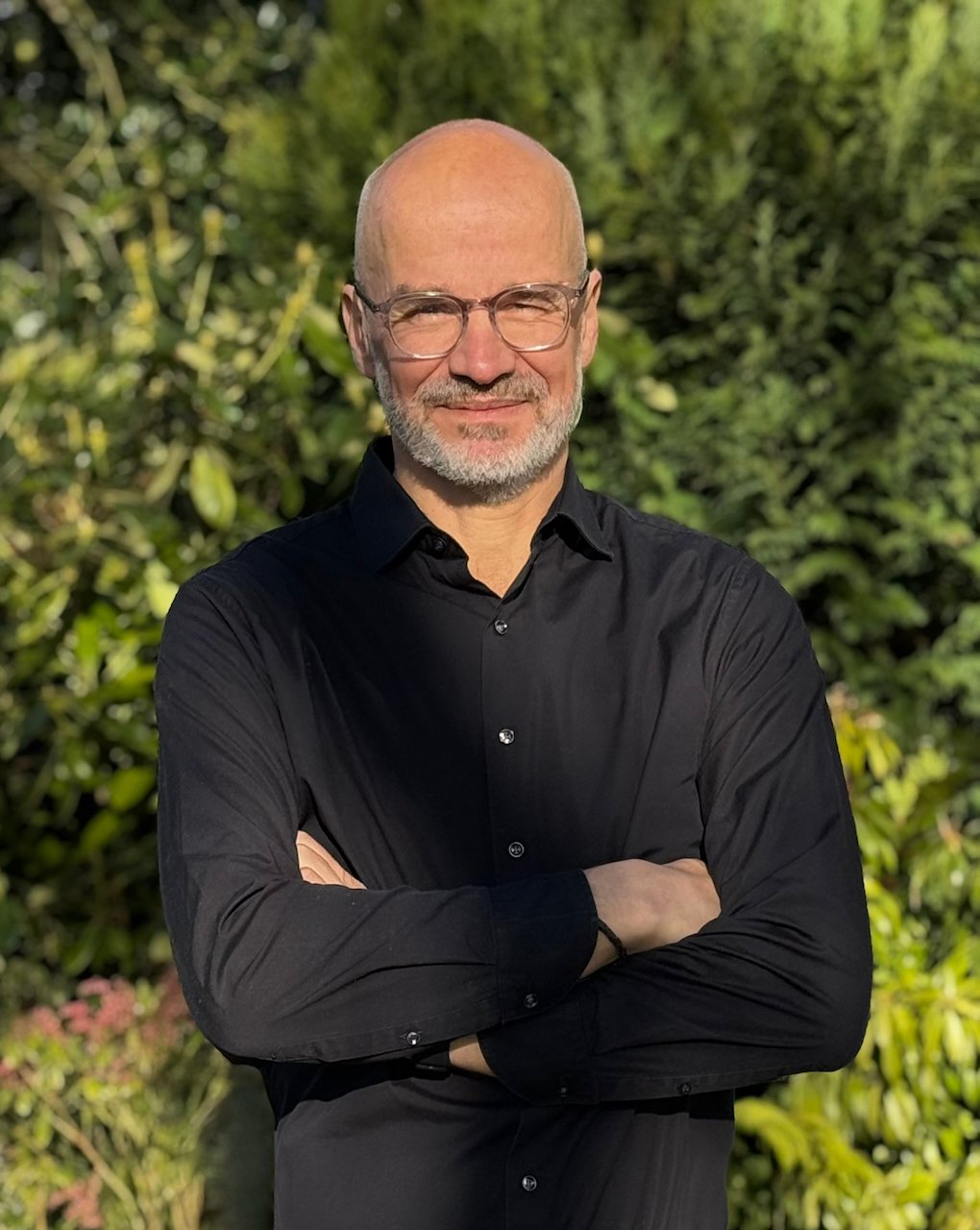
Arjan van Timmeren
Professor, Faculty of Architecture and the Built Environment, Department, TUDelft
Advancing regenerative and biophilic urbanism through socio-ecological design, integrating living systems, sustainability and human wellbeing to shape resilient and adaptive futures.

Dr Michael Trudgeon
Professor of Design. School of Design at RMIT
The Field Stations of the Future project aligns with my own research through its emphasis on real-world testing of new models and ideas for regenerative futures.


Idil Gaziulusoy
Professor of Sustainable Design, NODUS Sustainable Design Research Group, Aalto University
For me, the value of field-stations lies especially in their capacity to make regenerative futures tangible and situated.

Kes McCormick
Professor of Business Development and Sustainable Innovation, Department of People and Society, Swedish University of Agricultural Sciences (SLU)
Exploring regenerative futures that restore ecosystems, strengthen communities, and foster thriving relationships between people and nature.

Sam Lam
Interim Director, J.C. DISI, PolyU
In the rapidly transforming context of Hong Kong’s Northern Metropolis, FSF aligns with our work at PolyU J.C. DISI in exploring regenerative approaches that integrate ecological, social, and cultural systems through anticipatory and participatory design.

Paddy NG
Senjoir Manager, PolyU
In the rapidly transforming context of Hong Kong’s Northern Metropolis, FSF aligns with our work at PolyU J.C. DISI in exploring regenerative approaches that integrate ecological, social, and cultural systems through anticipatory and participatory design.
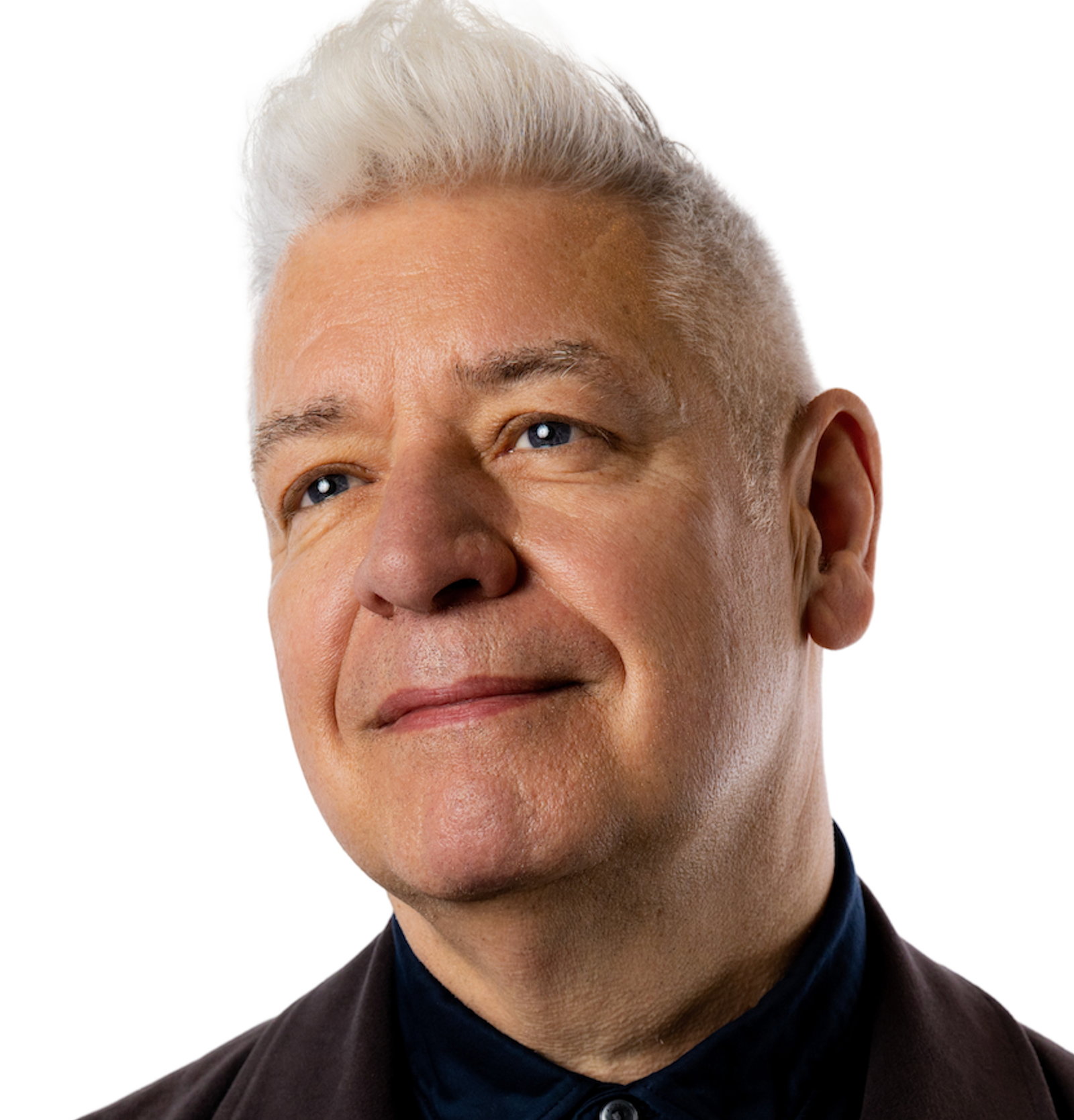
Peter Madden
Professor of Practice in Future Cities, Cardiff University, Wales, UK
Cardiff University is embedding future generations’ thinking across our teaching, research, and civic mission “to position our university as a key site for the creation of more just, sustainable and inclusive futures.”

Tullia Jack
Associate Professor at Service Studies at Lund University
I came to the Field Stations for the Future network through my research on doing less.

Katie Pfeiffer
Loughborough University, London
We recognise the importance of field sites for the future as spaces where alternative arrangements can begin to take shape: enabling new economic, social, and ecological models to be explored and prototyped in situated contexts.

Delfina Fantini van Ditmar
Royal College of the Arts, London
We see the value in field sites for the future as places where alternative arrangements can be prefigured:
where new economic, social, and ecological models can be prototyped in more contained settings.
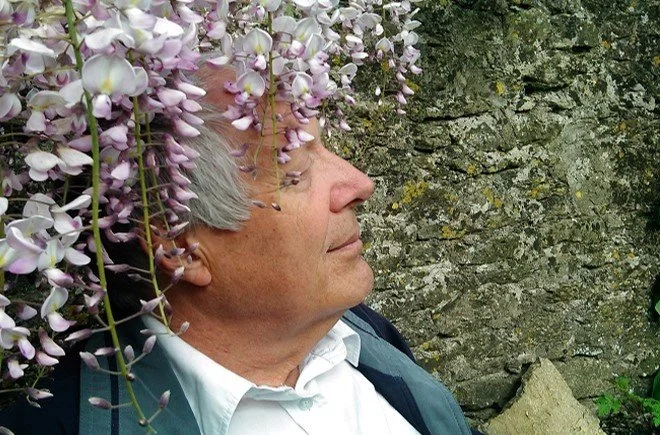
Peter Harper
UNIVERSITY OF BATH
Read more